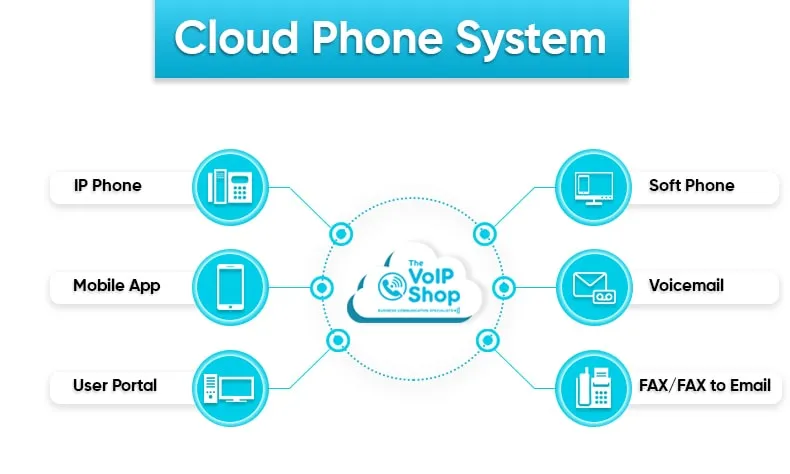
While the core technology behind a cloud based telephone system UK companies adopt stays broadly the same, how different industries actually use it varies considerably. This article looks at practical use cases across several UK sectors, showing how the same underlying platform gets applied to very different day to day challenges.
Retail and hospitality businesses often use cloud phone systems to manage seasonal staffing spikes, adding temporary lines during busy trading periods without long term commitments. Multi site linking also allows head office to stay connected with individual stores or venues under one centrally managed account.
Firms in regulated sectors such as finance and law lean heavily on call recording and detailed usage reporting to support compliance requirements. Secure, encrypted calling and role based access control matter significantly more here than in less regulated industries.
| Industry | Primary Use Case | Key Feature Relied On |
|---|---|---|
| Retail and Hospitality | Managing seasonal staffing spikes | Flexible line additions and multi site linking |
| Financial Services | Compliance and secure record keeping | Call recording and encrypted calling |
| Healthcare | Patient facing call handling | Auto attendant and call queuing |
| Technology and Creative | Remote and hybrid team support | Softphone apps and CRM integration |
| Logistics and Field Services | Coordinating mobile staff | Mobile app integration and call routing |
Healthcare providers, from private clinics to dental practices, rely on cloud phone systems to manage patient calls efficiently, using auto attendants to route enquiries and call queuing to handle busy periods without patients facing an engaged tone during appointment booking calls.
Technology and creative companies, often structured around remote or hybrid teams from the outset, tend to rely heavily on softphone apps rather than physical desk handsets, along with CRM integration that keeps customer and client communication logged automatically without manual data entry.
Businesses coordinating field staff, such as delivery or maintenance teams, use mobile app integration to keep drivers and engineers connected to the same business number while on the move, with call routing directing customer enquiries to whichever team member is available rather than a single fixed line.
Across every industry, the common thread is that a cloud based telephone system UK companies adopt gets configured around the specific way that business actually operates, rather than forcing operations to adapt to a rigid, one size fits all setup. Consultants such as Almens Consult can help UK businesses across different sectors configure a system that matches their specific operational needs.
A cloud based telephone system UK businesses adopt looks quite different in practice depending on the industry using it, from retail's seasonal flexibility needs to financial services' compliance requirements. Understanding how similar sectors have applied these systems can help inform which features genuinely matter for your own business, rather than starting the comparison process from scratch.
No, feature priorities vary significantly by industry, from compliance needs to seasonal flexibility requirements.
Regulated sectors such as financial services and healthcare typically rely on call recording most heavily.
Yes, mobile app integration allows field staff to stay connected to the business number while working remotely.
Yes, most platforms can be configured with routing, features, and reporting suited to a specific sector's needs.

This post has been authored and published by one of our premium contributors, who are experts in their fields. They bring high-quality, well-researched content that adds significant value to our platform.












Daily Food brings you recipes, cooking tips, food ideas, and useful information for food lovers. Discover fresh ideas and make every meal more enjoyable.