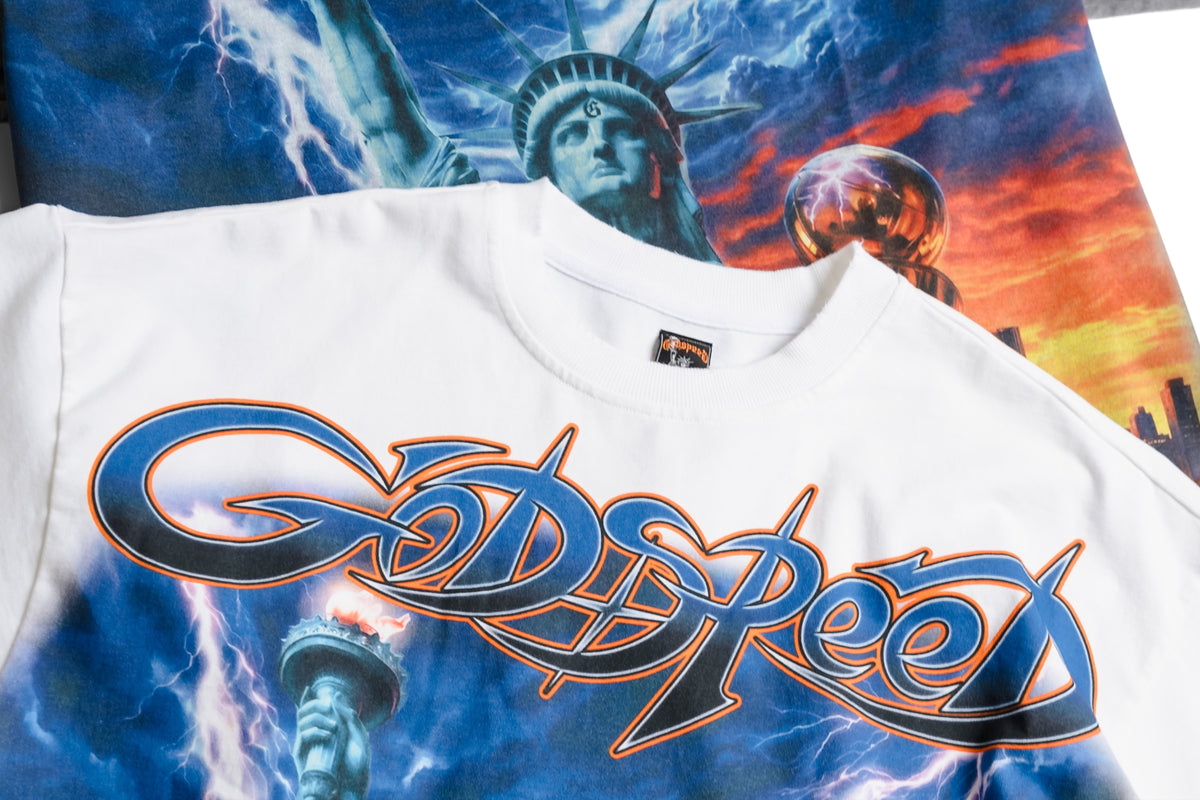
Fashion increasingly exists across physical wardrobes and digital environments, from online storefronts to virtual worlds and interactive experiences. Digital fashion explores clothing through computer-generated designs, virtual outfits, and garments created for digital characters or avatars. This development gives designers additional ways to experiment with appearance, shape, and visual storytelling. Godspeed offers a starting point for discussing how contemporary streetwear connects with changing creative technologies while maintaining its place in everyday clothing and personal expression.
Virtual clothing refers to garments designed for use in digital settings rather than necessarily being manufactured for physical wear. These designs may appear on avatars, in digital artwork, or within virtual environments. Designers can experiment with proportions and visual effects that might be difficult to reproduce in ordinary clothing. Digital garments can also be used to test ideas before making physical samples, although the practical benefits depend on the tools and workflow involved. Understanding this distinction helps fashion enthusiasts appreciate digital design as its own creative discipline.
Streetwear has a strong visual dimension, making it an interesting subject for digital experimentation. Designers can explore graphics, silhouettes, colors, and unusual combinations through computer-generated imagery. Online communities also make it easier for creative ideas to reach audiences beyond a single location. Godspeed Clothing can be considered within this wider conversation about how fashion identity is communicated through both physical products and digital presentation. Digital creativity does not replace traditional clothing; instead, it offers another space for exploring and sharing ideas.
Avatars allow people to represent themselves in games, virtual communities, and other digital spaces. Their appearance can become a form of self-expression, much like choosing an outfit for a real-world occasion. Some people prefer realistic virtual clothing, while others experiment with exaggerated shapes, unexpected colors, or imaginative designs. These choices reflect the flexibility of digital environments, where appearance can be adjusted for different settings. The process also raises interesting questions about how people communicate personality when their clothing exists primarily on a screen.
Digital fashion can inspire physical outfits even when the original design cannot be worn outside a virtual environment. A person might take inspiration from a striking color relationship, an unusual silhouette, or the contrast between simple and expressive elements. A Godspeed Shirt could be considered as part of a real-world outfit when its actual design fits the idea being explored. The aim is to adapt the principle behind a digital look rather than reproduce every detail. This approach keeps creative experimentation connected to practical everyday dressing.
Shorts can also provide a starting point for experimenting with proportions inspired by virtual fashion. Digital illustrations may exaggerate the relationship between top and bottom pieces, encouraging designers and wearers to think differently about balance. In physical outfits, the result should still suit the occasion and feel comfortable. Godspeed Shorts can be incorporated when their actual cut and appearance complement the intended combination. Looking at digital references with a practical mindset helps translate imaginative ideas into clothing choices that work in everyday settings.
Accessories often have a noticeable influence on the overall appearance of a digital character or a real outfit. In virtual environments, designers may exaggerate size, shape, or color to communicate a particular theme. Physical accessories need to account for practical considerations as well as appearance. A Godspeed Hat can be considered when its actual design complements the rest of an outfit and supports the chosen visual direction. Comparing digital and physical styling reveals how small details can influence the way a complete look is perceived.
Digital fashion relies on tools that may include three-dimensional modeling, garment simulation, rendering, and image editing. These technologies allow designers to visualize clothing and present concepts before or alongside physical production. Different tools offer different levels of realism and control, so the results depend on the creator's skills and intended use. As the technology develops, fashion professionals and independent creatives continue to explore how digital methods might support design, communication, and experimentation without assuming that every digital innovation is suitable for every project.
Digital garments introduce questions about ownership, usage rights, and authenticity. A virtual outfit may be associated with a particular platform, character, or account, and its permitted use depends on the relevant terms. Digital images can also be copied or altered, making it important to understand permissions before sharing or commercializing designs. For creators, clear agreements help establish how digital work can be displayed, modified, or sold. For audiences, learning about these distinctions encourages a more informed approach to virtual fashion and creative content.
Digital and physical fashion are likely to continue influencing each other in different ways. Virtual presentations may help designers communicate ideas, while physical clothing can inspire digital interpretations of familiar garments. Some projects may combine both approaches, whereas others will remain focused on one medium. The most useful developments will depend on creative goals, accessibility, audience interest, and practical considerations. Fashion enthusiasts do not need to adopt every new technology to appreciate its influence; understanding the possibilities is enough to explore how style continues to evolve.
Digital fashion involves clothing designed or represented for digital environments, such as virtual worlds, avatars, and computer-generated imagery. Some digital designs are purely virtual, while others support the development or presentation of physical garments.
Yes. Digital designs can inspire real outfits through their color combinations, proportions, and visual concepts. Adapting selected elements helps make the inspiration suitable for everyday wear.
Not necessarily. A garment designed exclusively for a digital character does not require physical fabric. If a design is intended for physical production, material choices become part of the manufacturing process.
Designers may use three-dimensional modeling, garment simulation, rendering, and other digital tools. The specific process depends on the intended platform, the design's complexity, and the creator's workflow.
Digital fashion is better understood as another creative format rather than an automatic replacement for physical garments. People will continue to choose between digital and physical clothing according to their needs, interests, and circumstances.

Sigue esta guía de compra de Dandy Hats para elegir una gorra según tu estilo, revisar el ajuste, comparar precios y crear outfits urbanos.





Daily Food brings you recipes, cooking tips, food ideas, and useful information for food lovers. Discover fresh ideas and make every meal more enjoyable.