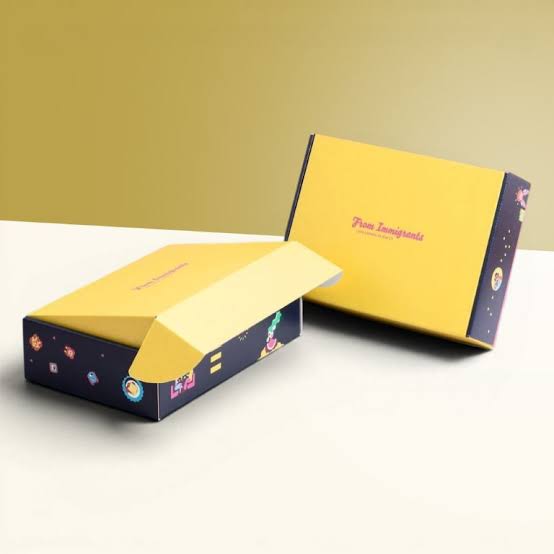
Cardboard lunch boxes are a popular packaging solution for restaurants, cafes, catering companies, takeaway businesses, and food delivery services. Designed to hold meals conveniently, these boxes make it easier to pack, transport, and serve a wide variety of foods. Their lightweight construction, practical designs, and customizable appearance make them suitable for businesses that want reliable food packaging for everyday operations.
As demand for takeaway meals and food delivery continues to grow, choosing the right packaging has become an important part of customer service. A well-designed lunch box helps keep food organized, supports convenient handling, and provides space for branding. From sandwiches and salads to rice dishes and complete meal combinations, cardboard lunch boxes can accommodate many food service needs when the material and design are appropriate.
cardboard lunch boxes are containers made from paperboard, cardboard, or suitable food packaging materials. They are designed to hold prepared meals for takeaway, delivery, catering, school lunches, and other food service applications.
These boxes are available in different shapes, sizes, and styles. Some feature simple folding designs with tuck-in flaps, while others include compartments, locking lids, or separate sections for different food items.
Businesses can choose plain cardboard lunch boxes or customize them with logos, printed designs, product information, and brand colors. The right choice depends on the type of food being served, portion size, temperature, moisture content, and transportation requirements.
Cardboard lunch boxes provide a practical way to package meals for customers who want to take their food away or receive it through delivery services.
Their structured design helps keep food contained during normal handling. Boxes with secure closures can also make meals easier to carry from restaurants, cafeterias, and catering locations.
Different styles are available for individual meals, combo offers, snacks, and complete lunch portions.
Lightweight packaging is useful for restaurants that prepare many orders each day. Cardboard lunch boxes are generally easy for staff to assemble, fill, close, and distribute.
Many designs can be stored flat before use, helping businesses save storage space. This can be especially beneficial for food outlets with limited kitchen storage or catering companies that need to transport packaging supplies between locations.
Cardboard lunch boxes offer a surface for displaying business logos, brand colors, promotional messages, and other relevant information.
Custom printing can help restaurants create a consistent appearance across takeaway packaging. Even a simple logo on a plain box can make the package more recognizable.
Small businesses can also use labels or stickers to identify meal types, communicate handling instructions, or distinguish different menu items.
Lunch boxes are available in various dimensions to accommodate different portions and meal combinations.
Small boxes may be suitable for sandwiches, pastries, and snacks, while larger designs can hold rice meals, pasta, salads, or combination lunches.
Compartment-style boxes are useful when separate food items need to be kept apart. However, the structure must be suitable for the food's moisture, temperature, and handling requirements.
Cardboard lunch boxes can offer paper-based alternatives to certain types of plastic food packaging. Depending on the materials and local waste management systems, some boxes may be recyclable or compostable.
These terms are not interchangeable. A recyclable box may not be accepted by every recycling facility, and a compostable box may require specific composting conditions.
Businesses should check material specifications, coatings, adhesives, and local disposal requirements before making environmental claims.
Folding lunch boxes are designed to be assembled from flat packaging components. Their compact storage format makes them useful for restaurants, cafes, cafeterias, and catering operations.
They are available in different shapes and closure styles. Businesses can select a design that provides enough room for the meal while remaining easy to assemble and carry.
Kraft lunch boxes typically have a natural brown appearance that works well for businesses seeking simple, understated packaging.
They can be used for sandwiches, baked goods, dry meals, and other suitable food applications, depending on the material specification. Kraft boxes may also be available with custom printing or labels.
A natural appearance alone does not guarantee that a box is recyclable, compostable, or suitable for direct food contact. These properties should be verified with the supplier.
Compartment lunch boxes feature separate sections for different food items. They can be useful for combination meals containing rice, vegetables, proteins, side dishes, or snacks.
Separate compartments help organize a meal and may reduce mixing between different foods. For meals with sauces or liquids, the design must provide suitable leak resistance and secure closure.
Takeaway lunch boxes are designed for customers who purchase prepared meals to eat elsewhere. They are commonly used by restaurants, food trucks, cafes, and quick-service food outlets.
The box should be easy to open while remaining sufficiently secure during transportation. Businesses should also consider how the packaging handles heat and steam from freshly prepared food.
Custom-printed lunch boxes help restaurants communicate their brand identity through packaging.
Printing can include logos, brand colors, promotional offers, menu information, or QR codes. Businesses should ensure that inks and printing methods are appropriate for the intended food packaging application and do not compromise food safety.
Cardboard lunch boxes can be used for many types of meals, provided the packaging is designed for the intended application.
Sandwiches and wraps: Suitable lunch boxes can help keep sandwiches and wraps organized during takeaway and delivery.
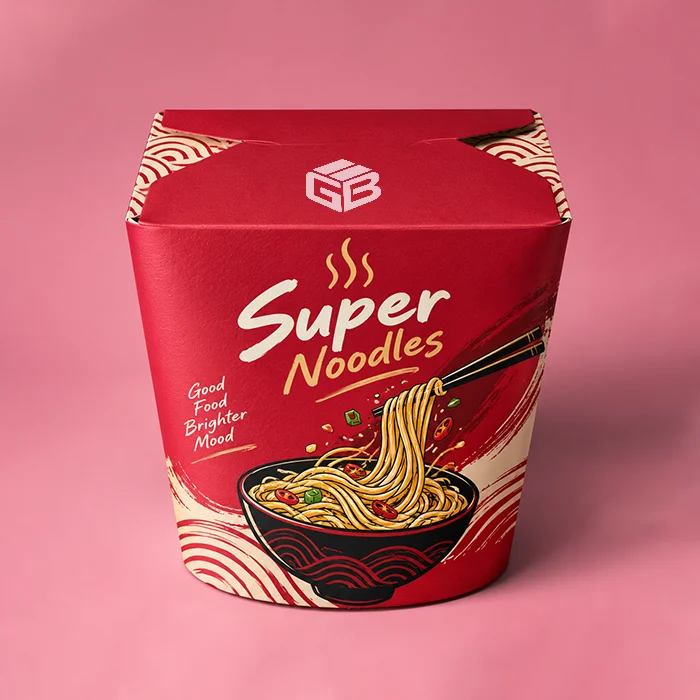
Rice and pasta meals: Larger boxes may accommodate prepared rice dishes, noodles, pasta, and other complete meals. Moisture and grease resistance are important considerations.
Salads and cold meals: Cardboard packaging can hold salads and other chilled foods when the material, closure, and storage conditions are appropriate.
Bakery products: Sandwich boxes and other lunch packaging may also be useful for pastries, rolls, savory snacks, and baked items.
Catering portions: Catering businesses can use lunch boxes for individual meals at meetings, conferences, schools, and events.
For liquid-rich foods, very oily meals, or hot dishes that produce substantial steam, businesses should select packaging specifically tested for those conditions.
Food packaging must be suitable for the type of food it will contain. Ask suppliers for relevant material specifications and evidence of compliance with applicable food-contact requirements.
Not every cardboard box is suitable for direct contact with hot, oily, acidic, or moist foods.
Meals containing oil, sauces, or moisture can weaken untreated paper-based packaging. A suitable board grade or food-contact-compliant barrier may be needed to maintain the box's structure.
Businesses should evaluate whether the selected packaging can hold the intended food for the expected storage and delivery period.
Freshly prepared meals release heat and steam. Packaging that traps excessive moisture can affect food texture and may soften the cardboard.
The design should balance ventilation, temperature retention, and protection. Food businesses should test their chosen boxes with actual menu items before placing large orders.
A reliable closure helps prevent the box from opening during normal handling. This is particularly important for delivery orders and meals carried by customers.
Check the folding tabs, lid design, and overall construction to ensure the box remains closed without making it difficult for customers to open.
Custom lunch boxes allow food businesses to select packaging that reflects their brand and menu.
A restaurant may choose a simple kraft design for a natural appearance or a printed box featuring its logo and brand colors. Catering companies may prefer larger boxes or compartment designs that organize different meal components.
Custom dimensions can also help businesses reduce unused space and choose packaging that better fits their standard portions.
Before approving a custom design, consider the following:
Measure the meal portions and containers accurately.
Select a material suitable for the food's temperature and moisture.
Confirm the box's internal dimensions and closure design.
Review printing and finishing options.
Request samples before ordering in bulk.
Check applicable food packaging and labeling requirements.
These steps can help businesses avoid unnecessary costs and select packaging that performs reliably.
Wholesale cardboard lunch boxes can be a practical choice for businesses with regular takeaway or catering demand. Purchasing larger quantities may reduce the price per unit and help maintain a consistent packaging supply.
Before ordering, compare suppliers based on material quality, dimensions, minimum order quantity, printing options, production time, and delivery charges.
Request samples whenever possible and test them with the foods you plan to serve. Inspect the packaging for structural strength, grease resistance, closure quality, and ease of assembly.
Businesses should also estimate their average monthly usage and storage capacity. Ordering too much packaging can tie up cash and create storage problems, while ordering too little may result in shortages during busy periods.
Food businesses can make more informed packaging choices by considering the entire life cycle of their lunch boxes.
Selecting an appropriately sized box can reduce unnecessary material use. Choosing products with verified recycled content may also be useful where the material is suitable for food contact.
However, coatings and food residue can affect recycling or composting options. Businesses should check local disposal guidance and communicate accurate instructions to customers when appropriate.
The best packaging choice balances food safety, product protection, practical performance, and environmental considerations rather than relying on appearance alone.
Cardboard lunch boxes provide a convenient packaging solution for restaurants, cafes, catering companies, cafeterias, and takeaway businesses. Available in folding, kraft, compartment, and custom-printed designs, they can accommodate a wide variety of meals and service requirements.
Choosing the right lunch box involves evaluating food-contact safety, dimensions, grease resistance, heat management, and closure quality. By testing samples, comparing suppliers, and planning inventory carefully, businesses can find cardboard lunch packaging that supports efficient service and a positive customer experience.

This post has been authored and published by one of our premium contributors, who are experts in their fields. They bring high-quality, well-researched content that adds significant value to our platform.



Daily Food brings you recipes, cooking tips, food ideas, and useful information for food lovers. Discover fresh ideas and make every meal more enjoyable.