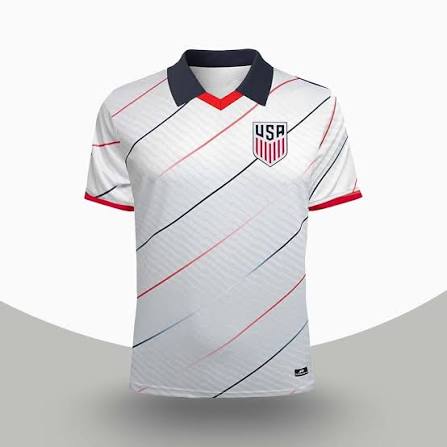
Soccer is more than just a game. It is a sport that brings people together, builds teamwork, and creates unforgettable memories. Whether players compete in a local league, represent a school, participate in a college tournament, or play with friends on weekends, wearing the right uniform can make a big difference. Custom soccer jerseys allow teams to express their identity, create a professional appearance, and enjoy comfortable clothing designed for the demands of the game.
From choosing team colors to adding player names, numbers, and logos, customized jerseys give every squad the opportunity to create a unique look. With modern fabrics, advanced printing techniques, and flexible design options, teams can develop uniforms that combine style, durability, and performance.
A soccer jersey is an essential part of a team's uniform. It helps distinguish players on the field while creating a sense of unity among teammates. When everyone wears matching colors and coordinated designs, the team looks organized and prepared for competition.
Custom jerseys also allow teams to showcase their personality. Some clubs prefer traditional designs with simple stripes and classic colors, while others choose bold patterns, gradients, and modern graphics. The ability to personalize every detail makes it easier to develop a uniform that reflects the team's character.
For amateur clubs, youth academies, schools, and professional organizations, customized soccer jerseys can also strengthen team spirit. Players often feel more connected to their teammates when they wear uniforms created specifically for their group.
Fabric selection is one of the most important decisions when designing custom soccer jerseys. Players need clothing that feels comfortable, allows movement, and performs well during intense matches.
Polyester is one of the most popular materials for soccer uniforms because it is lightweight, durable, and suitable for sportswear. It can also support different printing methods, making it a practical option for colorful team designs.
Moisture-wicking polyester fabrics help move sweat away from the skin, allowing it to evaporate more efficiently. This feature can help players remain comfortable during training sessions and competitive matches.
Some jerseys use mesh panels in areas where additional ventilation is helpful. These panels can improve airflow and reduce the heavy feeling that sometimes develops during strenuous physical activity.
When selecting fabric, teams should consider their climate, playing schedule, budget, and preferred fit. Lightweight materials are particularly useful for outdoor matches in warm weather, while slightly heavier options may suit cooler conditions.
One advantage of customized uniforms is the wide range of available design possibilities. Teams can choose traditional styles or experiment with contemporary patterns.
Classic soccer jerseys: Traditional designs often feature solid colors, contrasting sleeves, simple collars, and clean lines. They are ideal for teams that prefer a timeless appearance.
Striped soccer jerseys: Vertical or horizontal stripes create a recognizable look. Teams can select contrasting colors to improve visual appeal and establish a distinctive identity.
Gradient jerseys: Gradient designs gradually transition from one color to another. They offer a modern appearance and work well for clubs looking for something different from conventional uniforms.
Geometric patterns: Shapes, lines, and abstract graphics can give jerseys a dynamic appearance. These designs are especially popular with teams that want a bold, contemporary style.
Minimalist jerseys: Simple designs with limited colors and small logos provide a clean, professional look. They can also make team branding easier to coordinate across different uniform pieces.
Before finalizing a design, teams should consider how the jersey will look from a distance, whether the colors provide sufficient contrast, and how easily players can be identified during a match.
Personalization is a major reason teams choose custom soccer jerseys. Instead of purchasing generic uniforms, teams can include details that make each jersey specific to a club and its players.
Player names and numbers are among the most common features. Numbers help referees, spectators, coaches, and teammates identify players quickly. Names provide another level of personalization and make uniforms feel more individual.
Club logos are equally important. A well-positioned crest can represent the team's history, community, or values. Schools and academies may also include their institutional emblems, while sponsored teams can incorporate approved sponsor branding.
Additional customization options may include sleeve graphics, national flags, tournament badges, and motivational phrases. However, it is important to keep the overall design balanced so that the jersey remains easy to read and visually appealing.
Teams should also check the competition's uniform rules before adding sponsor logos, badges, or other graphics.
The printing technique affects the appearance, durability, and cost of a soccer jersey. Understanding the available methods can help teams choose an option that matches their requirements.
Sublimation printing is widely used for polyester sportswear. The design is transferred into the fabric using heat, allowing colors and patterns to become part of the material rather than forming a separate layer on top.
This method is suitable for detailed graphics, gradients, multicolor patterns, player names, and numbers. Because the design does not create a thick printed surface, the jersey can retain a lightweight feel.
Sublimation is especially useful for teams that want extensive customization across the entire garment.
Screen printing applies ink to the fabric through a prepared screen. It can be an effective choice for simple designs, logos, and graphics that use a limited number of colors.
The cost may be attractive for certain bulk orders, although setup requirements and design complexity influence the final price.
Heat transfer printing uses heat to apply names, numbers, or graphics to a garment. It is commonly used when teams need individual player details added to otherwise standard jerseys.
Each method has advantages, so the best choice depends on the material, artwork, order quantity, budget, and expected frequency of use.
A good soccer jersey should provide enough room for custom youth soccer uniforms, jumping, stretching, and changing direction without feeling excessively loose or restrictive.
Teams generally choose between regular, athletic, and relaxed fits. Athletic fits sit closer to the body, while regular fits provide a balance between movement and comfort. Relaxed fits offer additional room for players who prefer a looser style.
When ordering custom soccer jerseys for an entire squad, accurate measurements are essential. A size chart should include relevant measurements, such as chest width and garment length. Teams should not assume that sizing is identical across every manufacturer.
For youth teams, it is particularly important to consider comfort and movement rather than selecting a jersey solely because it looks stylish. If possible, review a sample before placing a large order.
Customized uniforms are suitable for many types of soccer organizations.
Youth soccer clubs often choose bright colors and durable fabrics that can handle frequent training and regular washing. Schools and colleges may prefer designs that match their official colors and represent their institutions.
Amateur leagues and recreational teams can use personalized jerseys to create a coordinated appearance without necessarily spending a large amount. Professional clubs and competitive academies may require more advanced fabrics, precise sizing, detailed branding, and consistent quality across multiple uniform sets.
Corporate teams and charity tournaments can also benefit from customized uniforms. Adding an organization name or event logo creates a coordinated appearance and gives participants a memorable keepsake.
Regardless of the team's size, planning the design and order carefully helps ensure that every player receives a suitable uniform.
Bulk ordering can make uniform purchasing more convenient, especially when an entire squad needs matching clothing. However, preparation is important to avoid unnecessary costs and delays.
Start by confirming the number of players and collecting their sizes. Decide whether the order includes only jerseys or a complete uniform with shorts and socks.
Next, finalize the design, including colors, logos, names, and numbers. Review a digital mockup carefully to confirm that the details are positioned correctly and that the final artwork matches the team's expectations.
Ask the supplier about minimum order quantities, production times, available fabrics, printing options, and shipping arrangements. Request information about replacement policies for defective products or incorrect personalization.
Before approving the order, confirm the total price and any additional charges for individual names, special printing, artwork preparation, or expedited production. If the budget allows, ordering a sample can help verify fabric quality, color accuracy, and sizing.
Proper care helps preserve the appearance and usability of customized sportswear. Players should follow the garment's washing instructions and avoid exposing printed designs to excessive heat.
In most cases, washing jerseys inside out with a suitable detergent helps protect printed details. Cold or cool water is often a practical choice, depending on the manufacturer's instructions.
Avoid harsh bleach unless the care label specifically permits it. High-temperature ironing directly over printed names, numbers, or logos can damage the design. Air drying is often preferable when suitable for the fabric.
After matches, jerseys should be allowed to dry rather than remaining damp in a closed sports bag for extended periods. Good care practices help keep team uniforms looking presentable throughout the season.
Custom soccer jerseys combine team identity, personal expression, comfort, and practical performance. With choices ranging from lightweight polyester fabrics and sublimation printing to personalized names, numbers, and club logos, teams can create uniforms that suit their playing style and budget.

This post has been authored and published by one of our premium contributors, who are experts in their fields. They bring high-quality, well-researched content that adds significant value to our platform.





Daily Food brings you recipes, cooking tips, food ideas, and useful information for food lovers. Discover fresh ideas and make every meal more enjoyable.