
Planning how wealth will be managed and transferred can be an important part of protecting a family's financial future. People may want to provide for children, support a loved one, preserve property, or establish instructions for managing assets over many years. A trust can be one of several tools used to accomplish these goals.
Trusts are often associated with wealthy families, but they can serve many different purposes depending on how they are structured. Understanding the people involved, how assets are transferred, and how distributions are handled can help families determine whether a trust fits into their broader estate planning strategy.
People researching how does a trust fund work are generally trying to understand how money and property can be managed for another person's benefit.
A trust is a legal arrangement involving several key roles. The person who creates the trust is generally called the grantor or settlor. The trustee is responsible for managing trust property according to the trust agreement. The beneficiaries are the individuals or organizations intended to benefit from the trust.
The trust document establishes the rules governing management and distribution of the assets.
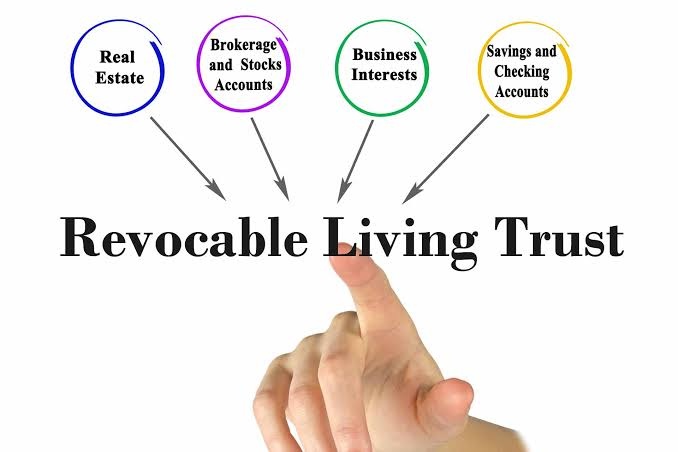
A trust generally needs assets to accomplish its intended purpose. Depending on the type of property, the creator may need to transfer ownership or take other steps to place the asset under the trust.
Possible trust assets can include:
Simply signing a trust document does not necessarily mean every asset is automatically included. Proper funding is an important part of implementing a trust.
The trustee plays a central role in trust administration. The trustee must follow the terms of the trust and manage the assets for the benefit of the beneficiaries.
Depending on the trust's instructions, responsibilities can include investing assets, maintaining records, paying permitted expenses, communicating with beneficiaries, and making distributions.
The trustee should generally be someone who is responsible, organized, and capable of following the trust agreement. For complicated trusts, families may also consider professional or corporate trustees.
The trust document determines how and when beneficiaries receive benefits.
Some trusts permit distributions at specific ages or upon particular events. Others may allow the trustee discretion to distribute funds for purposes such as education, healthcare, housing, or general support.
The creator can establish instructions based on the goals of the trust, subject to applicable law.
This flexibility can be useful when a beneficiary is young, financially inexperienced, or otherwise unable to manage a significant inheritance immediately.
Trusts can have substantially different characteristics depending on their structure.
A revocable trust generally allows the creator to modify or revoke the arrangement while they have the required legal capacity. This flexibility can make revocable trusts useful for certain estate planning objectives.
An irrevocable trust generally provides less flexibility after it is established. However, certain irrevocable structures may be used for specialized estate planning, tax, charitable, or asset-management purposes.
Because the consequences can differ significantly, selecting the appropriate trust structure is important.
Trusts are often used as part of a broader estate plan rather than as a standalone document.
An estate plan may also include a will, durable power of attorney, healthcare directives, beneficiary designations, and other documents.
These components should be coordinated. For example, retirement accounts and life insurance policies often have beneficiary designations that can affect how those assets are distributed.
A well-organized plan considers how all relevant assets and documents work together.
One reason some people establish certain trusts is to potentially avoid probate for assets properly transferred into the trust.
Probate is a court-supervised process used to administer many estates. Assets owned by a properly established trust may generally be administered according to the trust agreement rather than passing through the standard probate process.
However, not every asset automatically avoids probate merely because someone has a trust. Proper funding and ownership arrangements are essential.
Estate planning is not limited to what happens after death. A trust can also provide a framework for managing certain assets if the creator becomes unable to manage them personally.
For example, a successor trustee may be designated to take over management when specified conditions occur.
This can provide continuity and reduce uncertainty about who should manage trust assets during a period of incapacity.
The process after the creator's death depends on the trust's terms.
If the trust names a successor trustee, that person may take responsibility for administration. The successor may need to identify assets, review records, communicate with beneficiaries, pay appropriate expenses, and distribute property according to the trust agreement.
Some trusts distribute assets relatively quickly, while others continue for years or even longer.
The complexity depends on the type of trust, the assets involved, and the instructions established by the creator.
Creating a trust does not automatically eliminate taxes.
The tax treatment of a trust depends on its structure and the type of assets involved. Income generated by trust property can create tax reporting obligations, while certain estate planning strategies may involve additional federal tax considerations.
Beneficiaries can also face tax consequences when receiving certain types of distributions or when trust assets generate income.
For that reason, tax planning should be considered alongside the legal structure of the trust.
Parents and grandparents sometimes use trusts to provide financial support for children or younger beneficiaries.
Rather than giving a large inheritance outright, a trust can establish rules for managing the property and distributing funds over time.
The trust might provide resources for education, healthcare, housing, or other needs while placing management responsibility with a trustee until the beneficiary reaches an appropriate level of maturity.
Some families have circumstances that require more specialized estate planning.
For example, a beneficiary may have disabilities, substantial financial assets, creditor concerns, business interests, or other unique needs. Certain specialized trusts may be appropriate in these situations.
Because the wrong structure can produce unintended legal or financial consequences, specialized planning should be approached carefully.
Creating a trust is only the beginning of the planning process. The trust should be reviewed when significant changes occur.
Important events can include:
Asset ownership and beneficiary designations should also be reviewed periodically.
Trust law can be complicated, particularly when real estate, businesses, multiple beneficiaries, or tax considerations are involved.
An experienced estate planning professional can help evaluate whether a trust is appropriate, determine which structure may fit the family's goals, and address funding and administration issues.
Professional guidance can also help coordinate the trust with wills, powers of attorney, beneficiary designations, and other estate planning documents.
Understanding the structure of a trust can make estate planning decisions easier. A trust can provide instructions for managing assets, protect a beneficiary from receiving property before they are ready, and potentially simplify administration for properly funded assets.
For anyone asking how does a trust fund work, the answer depends largely on the type of trust and the terms established by its creator. There is no universal structure that works for every family. Careful planning, proper funding, regular reviews, and professional guidance when appropriate can help ensure that the arrangement supports the creator's objectives and provides clearer instructions for beneficiaries.

This post has been authored and published by one of our premium contributors, who are experts in their fields. They bring high-quality, well-researched content that adds significant value to our platform.










Daily Food brings you recipes, cooking tips, food ideas, and useful information for food lovers. Discover fresh ideas and make every meal more enjoyable.