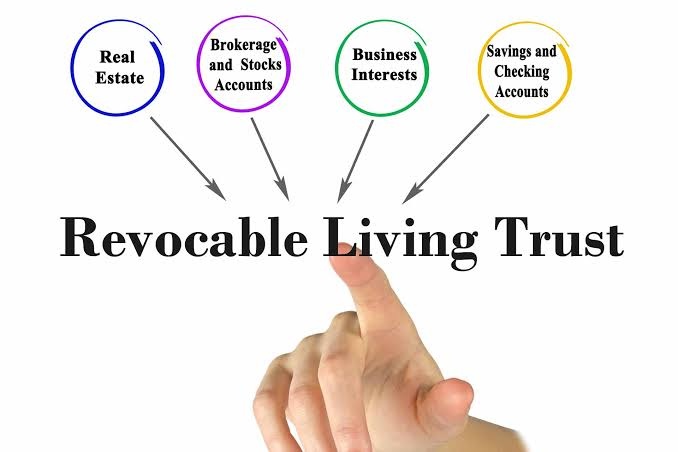
A living trust is often presented as a flexible way to organize assets, manage property, and simplify the transfer of wealth. For many families, it can be an important part of an estate plan. However, a living trust is not automatically the right solution for everyone.
Understanding what are the disadvantages of a living trust can help homeowners and families make more informed decisions. A trust may offer meaningful benefits, but it can also involve costs, administrative responsibilities, and ongoing maintenance that should be considered before creating one.
One potential disadvantage is the cost of establishing a living trust. Creating a properly drafted trust may involve attorney fees, document preparation, recording fees, and other expenses depending on the assets and complexity of the estate.
A simple estate may require less planning than one involving multiple properties, business interests, investments, or beneficiaries with special circumstances. The cost should therefore be evaluated in relation to the person's overall financial situation and estate-planning objectives.
While an upfront expense can be worthwhile, families should understand what services are included and whether additional work will be needed to properly fund the trust.
Creating a trust document does not automatically place a person's assets into the trust. Assets generally need to be transferred or otherwise coordinated with the trust according to their legal ownership structure.
Real estate, for example, may require a properly prepared and recorded deed. Financial accounts may require changes to account ownership or beneficiary designations.
Failing to fund a trust properly can undermine some of the objectives for which it was created. This is one reason the implementation stage can be just as important as drafting the document itself.
Another consideration is that a living trust may require periodic review and maintenance. Life circumstances change. People buy and sell property, open new accounts, start businesses, experience marriages or divorces, and welcome new family members.
When these changes occur, the trust and related estate-planning documents may need to be reviewed. A trust that accurately reflects someone's circumstances today may not address their needs several years from now.
Regular reviews can help ensure that assets and instructions remain consistent with the person's current objectives.
A living trust is not necessarily a complete replacement for every other estate-planning document. Many estate plans still include a will, powers of attorney, health-care directives, beneficiary designations, and other legal documents.
For example, a pour-over will may be used alongside a revocable living trust to address certain assets that were not transferred into the trust during the person's lifetime.
This means establishing a trust may actually require coordinating several documents rather than relying on one document to accomplish every estate-planning goal.
Another important consideration is that not every asset should automatically be transferred to a living trust.
Certain retirement accounts, insurance policies, jointly owned property, and other assets may be governed by separate ownership or beneficiary-designation rules. Transferring an asset without understanding those rules could create unintended consequences.
The appropriate approach depends on the type of asset, the person's objectives, tax considerations, and applicable law.
A trust also creates administrative responsibilities for the person serving as trustee. While the original creator of a revocable trust may serve as trustee during their lifetime, a successor trustee may eventually need to take over.
The successor trustee may be responsible for identifying assets, managing property, communicating with beneficiaries, keeping records, paying appropriate expenses, and following the trust's instructions.
For larger or more complicated trusts, these responsibilities can become significant. Choosing a responsible successor trustee is therefore an important part of the planning process.
When considering what are the disadvantages of a living trust, it is also important to consider whether a trust is actually necessary.
Some individuals have relatively straightforward estates, limited assets, or circumstances where other planning tools may adequately address their needs. Depending on state law and individual circumstances, a will-based estate plan may be simpler and less expensive.
The right estate plan should be based on the person's goals rather than the assumption that every homeowner or family needs the same structure.
Recognizing potential disadvantages does not mean living trusts are ineffective. A properly designed and maintained trust can provide useful estate-planning benefits for many families.
A revocable living trust may help organize assets during a person's lifetime and provide instructions for management if they become incapacitated. It can also establish a framework for managing and distributing assets after death.
The key is determining whether those benefits justify the additional cost and administration for a particular estate.
The question what are the disadvantages of a living trust should be considered alongside the potential benefits. Costs, funding requirements, ongoing maintenance, trustee responsibilities, and the complexity of the estate can all influence whether a trust is appropriate.
Rather than choosing an estate-planning tool based solely on general recommendations, individuals should consider their assets, family circumstances, goals, and applicable state laws.
An experienced estate-planning professional can help evaluate the available options and explain how a living trust would fit into a broader plan.

This post has been authored and published by one of our premium contributors, who are experts in their fields. They bring high-quality, well-researched content that adds significant value to our platform.









Daily Food brings you recipes, cooking tips, food ideas, and useful information for food lovers. Discover fresh ideas and make every meal more enjoyable.