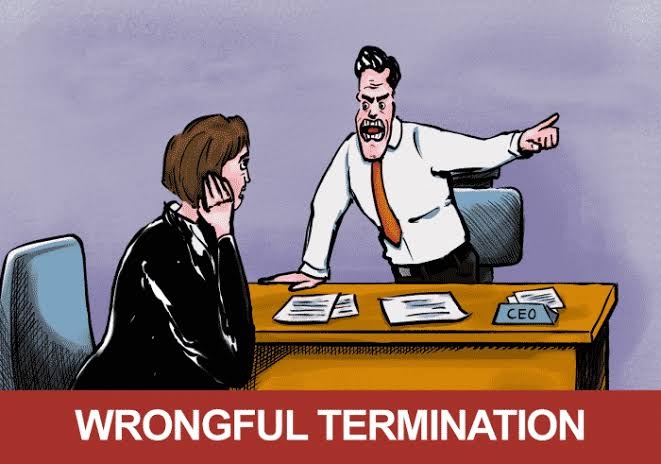
Losing a job can create financial pressure and uncertainty, especially when an employee believes the decision was connected to discrimination, retaliation, or another protected workplace right. Not every unfair termination violates the law, but federal and state employment laws place important limits on how employers can make certain employment decisions. Understanding the warning signs and documenting relevant facts can help workers make informed decisions about their next steps.
Employment law does not generally guarantee that every employee can keep a particular job. Employers may often make legitimate decisions involving performance, restructuring, attendance, misconduct, or business needs. However, those decisions cannot be based on unlawful discrimination or certain forms of retaliation.
Federal laws enforced by the Equal Employment Opportunity Commission protect workers from discrimination based on characteristics such as race, color, religion, sex, national origin, disability, genetic information, and age 40 or older. Retaliation for certain protected activities is also prohibited.
The surrounding circumstances therefore matter. A termination that happens shortly after a protected complaint, for example, may deserve closer review, particularly if the employer's explanation appears inconsistent with previous treatment.
A wrongful termination lawsuit often depends heavily on evidence showing what happened, when it happened, and why the employee believes the termination was unlawful. Documents can help establish a timeline and may reveal inconsistencies in an employer's explanation.
Potentially relevant evidence may include:
Timing can also be significant. For example, if an employee makes a discrimination complaint and is terminated soon afterward, the sequence of events may become relevant to a retaliation claim. Timing alone does not prove unlawful conduct, but it can be part of the overall evidence.
Several legal theories can potentially arise from a disputed termination. Discrimination is one of the most recognized. An employee may believe they were dismissed because of a protected characteristic rather than a legitimate business reason.
Retaliation is another important issue. Federal law can protect employees who participate in discrimination investigations, oppose unlawful discrimination, report certain workplace misconduct, or engage in other protected activities.
Disability-related claims may also arise when termination follows a request for a reasonable accommodation or when an employer treats an employee differently because of a disability.
The specific facts determine whether a claim has legal merit. An employee should not assume that an unpleasant workplace experience automatically establishes an unlawful termination.
For many federal employment discrimination claims, filing a charge with the Equal Employment Opportunity Commission is an important step before bringing a lawsuit. The EEOC states that most laws it enforces require an individual to file a Charge of Discrimination before filing a job discrimination lawsuit, with the Equal Pay Act being a notable exception.
Filing deadlines are also important. Depending on the circumstances and applicable law, the deadline for filing an EEOC charge can generally be 180 or 300 days after the alleged discriminatory event. Different rules may apply to particular claims, so workers should act promptly rather than assume they have unlimited time.
For certain Title VII and Americans with Disabilities Act claims, a person generally needs a Notice of Right to Sue before filing a federal lawsuit. Once that notice is received, the EEOC states that the lawsuit generally must be filed within 90 days.
The EEOC may investigate the allegations and request information from both sides. Employers can respond to the allegations and provide relevant documentation or legal defenses. The agency may also offer mediation in eligible cases.
After an investigation, the EEOC may issue a determination. If it does not find reasonable cause, the employee may receive a dismissal and notice of rights. If reasonable cause is found, the agency may attempt conciliation. Depending on the circumstances, the EEOC may bring its own lawsuit or issue a Notice of Right to Sue.
This process demonstrates why maintaining organized records can be valuable from the beginning. When an employee is considering a wrongful termination lawsuit, having a clear record of workplace events can make it easier for legal professionals to evaluate the circumstances and identify potentially relevant evidence.
If unlawful discrimination is established, available remedies depend on the specific law and circumstances. Potential relief may include back pay, benefits, job placement or reinstatement in appropriate cases, and other forms of compensation.
Certain intentional discrimination claims may also allow compensatory or punitive damages, subject to statutory limits. The potential outcome cannot be determined simply by looking at the fact of termination. Courts and agencies may consider the nature of the violation, financial losses, employment history, available evidence, and applicable legal requirements.
Modern workplaces generate large amounts of digital evidence. Emails, collaboration platforms, electronic performance records, HR systems, and other workplace communications can create detailed timelines.
At the same time, employees should be careful not to remove confidential company information or violate applicable privacy and security rules when preserving personal records.
A practical approach is to maintain a personal timeline containing dates, events, communications, witnesses, and relevant documents that the employee is legally permitted to retain. This can help an attorney or investigator understand the sequence of events more efficiently.
A termination should be evaluated based on facts rather than assumptions. Employees who believe discrimination or retaliation played a role should consider applicable deadlines, preserve relevant evidence, and seek qualified legal guidance when appropriate. Employers should likewise document legitimate employment decisions and apply workplace policies consistently.
Understanding the legal framework early can make it easier to identify important issues, protect procedural rights, and evaluate available options. Careful documentation and timely action remain essential when employment decisions may have violated workplace protections.

This post has been authored and published by one of our premium contributors, who are experts in their fields. They bring high-quality, well-researched content that adds significant value to our platform.











Daily Food brings you recipes, cooking tips, food ideas, and useful information for food lovers. Discover fresh ideas and make every meal more enjoyable.