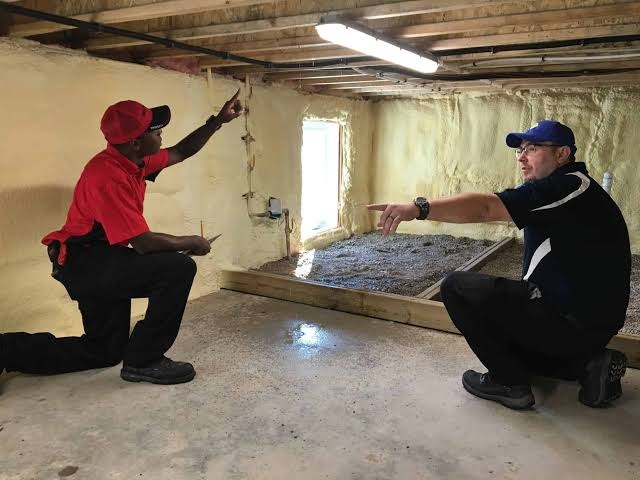
Water can be one of the most destructive forces inside a home. A small plumbing leak, roof problem, appliance failure, or drainage issue may seem minor at first, but hidden moisture can gradually affect drywall, flooring, insulation, wood, and other building materials.
That is why a water damage inspection can be an important step when homeowners notice signs of moisture or suspect that a property has experienced a previous leak.
In 2026, protecting a home from water-related problems is more important than simply responding when visible damage appears. Understanding where moisture may be coming from and identifying affected areas early can help homeowners make informed decisions about repairs and maintenance.
A water damage inspection is an evaluation designed to identify visible and potential signs of moisture intrusion or water-related damage in accessible areas of a property.
Depending on the situation, an inspection may involve looking for:
The goal is not simply to find visible water. An inspection can also help determine whether conditions suggest a larger problem that requires further evaluation.
One of the biggest challenges with water damage is that moisture does not always remain where the original leak occurred.
Water can travel through walls, ceilings, flooring systems, and other building materials before becoming visible. A stain on a ceiling, for example, may not be directly beneath the source of the leak.
Some areas can also remain hidden behind finishes or beneath flooring. By the time visible damage appears, moisture may have already affected surrounding materials.
This is why homeowners should take unexplained stains, musty odors, peeling paint, or changes in flooring seriously.
There are many potential sources of water intrusion in a home.
Leaking supply lines, drainpipes, toilets, faucets, water heaters, and other plumbing components can introduce moisture into areas that are not immediately visible.
Even a slow leak can become a long-term problem if it continues unnoticed.
Damaged shingles, flashing, roof penetrations, or other roofing defects can allow rainwater into the structure. Roof-related moisture may become visible as ceiling stains or damaged attic materials.
After severe weather, homeowners should pay particular attention to new stains or signs of moisture.
Washing machines, dishwashers, refrigerators, water heaters, and other appliances can cause substantial water damage when hoses, connections, seals, or internal components fail.
Water may also enter a home because of poor drainage, clogged gutters, grading problems, or other exterior conditions. Keeping water away from the foundation and exterior walls is an important part of property maintenance.
Homeowners should watch for both obvious and subtle warning signs.
Common indicators include:
Not every stain means there is an active leak, but unexplained changes should be investigated rather than ignored.
A water damage inspection may be useful in several situations.
If a pipe, appliance, water heater, or other fixture has leaked, an inspection can help determine whether surrounding areas show signs of moisture or damage.
Heavy rain and strong winds can expose weaknesses in roofing and exterior components. A post-storm evaluation may help identify visible concerns before they develop into larger problems.
Home buyers should understand whether a property has signs of current or previous water intrusion. An inspection can help identify conditions that may deserve additional investigation before completing a purchase.
Sellers can also benefit from identifying potential moisture problems before putting a property on the market. Addressing known issues early may reduce surprises during the buyer's inspection.
A musty smell without an obvious source can sometimes indicate elevated moisture or a previous water event. Finding the source is more useful than simply masking the odor.
Where moisture persists, mold-related concerns can become an additional consideration. However, visible water damage and mold assessment are not necessarily the same thing.
If an inspection identifies conditions associated with prolonged moisture, homeowners may need additional evaluation by an appropriately qualified professional.
The most effective approach is to address the source of moisture first. Repairing a leak without addressing affected materials or ongoing moisture conditions may not fully resolve the problem.
Preventive maintenance can make a significant difference.
Homeowners should regularly inspect visible plumbing connections, maintain gutters and drainage systems, check areas beneath sinks, monitor water heaters, and look for changes in ceilings, walls, and flooring.
It is also wise to know where the home's main water shutoff is located. If a major leak occurs, shutting off the water quickly can help limit damage while professional assistance is arranged.
Today's homeowners are increasingly focused on protecting property value and avoiding unexpected repair expenses. A water damage inspection can provide useful information when there are visible signs of moisture, suspected leaks, or concerns about a property's condition.
Early identification does not guarantee that every hidden problem will be discovered, but it can help homeowners recognize conditions that deserve attention.
For buyers, sellers, and property owners, understanding the condition of the building is an important part of responsible property ownership.
Water damage can begin with something as simple as a leaking pipe or damaged roof and gradually develop into a much larger property concern. Because moisture can move through building materials and remain hidden, visible damage should never be dismissed automatically.
A professional water damage inspection can help identify signs of moisture intrusion, visible damage, and conditions that may require further evaluation.
Whether you are buying a home, preparing to sell, recovering from a leak, or simply maintaining an older property, identifying water-related concerns early can help you protect your investment and plan appropriate repairs.

This post has been authored and published by one of our premium contributors, who are experts in their fields. They bring high-quality, well-researched content that adds significant value to our platform.










Daily Food brings you recipes, cooking tips, food ideas, and useful information for food lovers. Discover fresh ideas and make every meal more enjoyable.