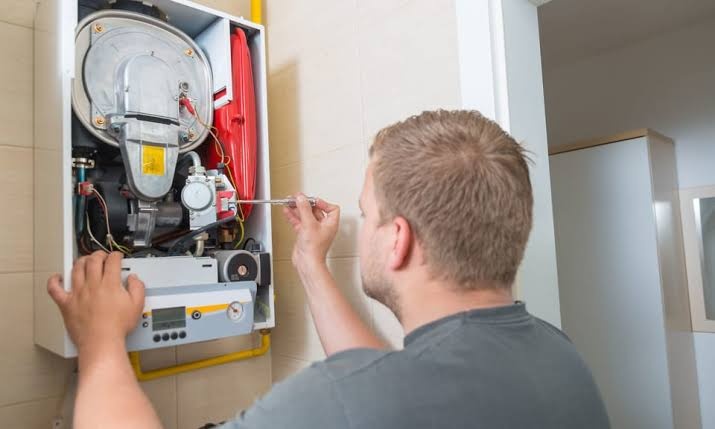
Reliable heating remains essential for maintaining a comfortable home during colder weather. Boilers continue to play an important role in residential heating because they can provide consistent warmth through radiators, baseboard systems, and other hydronic distribution methods. As HVAC technology advances in 2026, boiler systems are becoming more efficient, connected, and responsive.
At the same time, older boilers can experience performance problems caused by component wear, poor maintenance, circulation issues, pressure changes, or control failures. Understanding common warning signs and current heating trends can help homeowners make informed decisions about maintenance and equipment upgrades.
For homeowners considering boiler repair, recognizing changes in system performance is an important first step toward maintaining reliable heating and avoiding unnecessary disruption.
Boiler problems can develop gradually or appear unexpectedly. Homeowners may notice inconsistent room temperatures, unusual sounds, fluctuating pressure, slow heating, frequent cycling, or an inability to reach the desired thermostat setting.
Leaks are another important warning sign. Water around the boiler or connected components should not be ignored because it may indicate a problem with a valve, connection, pressure-related component, or another part of the system.
Unusual banging, whistling, gurgling, or kettling sounds can also indicate that professional inspection is appropriate.
A boiler should operate quietly and consistently when properly maintained.
Smart thermostats and connected heating controls are becoming increasingly common in 2026.
Modern controls can allow homeowners to establish schedules, adjust temperatures remotely, and monitor heating behavior through compatible mobile applications.
Some systems incorporate occupancy information, outdoor weather data, and adaptive scheduling to improve temperature management.
For homeowners with busy schedules, remote access can provide greater convenience. Temperature settings can be adjusted when plans change without requiring someone to be physically present.
However, smart controls must be compatible with the boiler and heating system. Professional configuration may be necessary for systems with multiple zones or advanced controls.
Modern hydronic heating systems are increasingly incorporating variable-speed circulator pumps.
Traditional pumps may operate at a relatively fixed rate, while variable-speed models can adjust flow according to heating demand.
This can help distribute heat more efficiently while potentially reducing electrical consumption and unnecessary circulation.
Variable-speed technology can also work effectively with zoning systems, allowing different areas of a property to receive heating according to their specific requirements.
Correct system design remains important because circulation must be balanced with the requirements of the boiler and distribution network.
Sensors are playing a growing role in modern heating systems.
Connected boilers and controls can monitor information such as temperature, pressure, operating cycles, and other performance characteristics.
This information can help identify unusual changes in system behavior.
For example, repeated cycling or unusual temperature fluctuations may indicate that the system is operating differently from its normal pattern.
Advanced monitoring can support preventative maintenance by giving homeowners and technicians more information about how equipment has been performing.
Replacing or servicing a boiler alone does not guarantee maximum heating efficiency.
Radiators, pipes, circulator pumps, thermostats, insulation, and zoning controls all influence system performance.
Poor insulation can cause heat loss through walls, ceilings, windows, and other parts of a building envelope.
Similarly, poorly balanced hydronic systems may produce uneven temperatures between rooms.
A whole-system evaluation can therefore be more valuable than focusing exclusively on the boiler itself.
Regular maintenance can help identify developing problems before they become major failures.
Depending on the system, professional maintenance may include inspecting combustion components, controls, pumps, pressure-related equipment, connections, and other critical parts.
Hydronic systems may also benefit from checking water quality and circulation performance.
Homeowners should never ignore unusual sounds, leaks, recurring pressure changes, or unexplained changes in heating performance.
Early professional attention may help prevent a relatively manageable issue from becoming a larger and more expensive problem.
Although boilers primarily heat spaces through hydronic distribution, overall indoor comfort also depends on humidity, insulation, air leakage, and ventilation.
A properly maintained heating system can provide comfortable temperatures, but building conditions determine how effectively that heat remains indoors.
Improving insulation and sealing unnecessary air leakage can reduce heating demand.
Smart zoning can further improve comfort by allowing homeowners to prioritize frequently occupied areas rather than maintaining identical temperatures throughout an entire property.
Another important 2026 trend is the growing interest in hybrid heating strategies.
Some properties may combine different heating technologies to balance efficiency, comfort, fuel availability, and outdoor conditions.
Heat pumps, boilers, smart controls, and other equipment can potentially work together in appropriately designed systems.
The best solution depends on building characteristics, climate, existing infrastructure, operating costs, and homeowner priorities.
Professional assessment is important before changing an established heating system.
A boiler problem does not automatically mean the equipment must be replaced.
A relatively minor component failure may be repairable, allowing an otherwise reliable system to continue operating.
However, replacement may become more attractive when equipment is older, repairs are becoming frequent, efficiency has declined significantly, or a major component has failed.
Homeowners should compare repair costs, equipment age, expected remaining service life, efficiency, and available modern technologies before making a decision.
When homeowners need boiler repair, professional diagnosis can help identify the actual source of a heating problem.
A technician can evaluate the boiler along with connected controls, circulation equipment, pressure conditions, and the broader hydronic system.
This approach reduces the risk of treating only a symptom while leaving the underlying problem unresolved.
Homeowners should avoid opening combustion chambers, modifying gas connections, or working on electrical components without appropriate qualifications.
Boiler technology is becoming more connected, efficient, and responsive. Smart controls, advanced sensors, variable-speed circulation, zoning, predictive monitoring, and hybrid heating strategies are influencing the future of residential heating.
However, technology works best when combined with proper installation, appropriate system design, and regular professional maintenance.
Homeowners who pay attention to unusual noises, leaks, pressure changes, inconsistent temperatures, and changing heating performance can respond to potential problems earlier.
By combining preventative maintenance with modern heating controls and efficient system design, homeowners can improve comfort, reliability, and energy management throughout 2026 and beyond.

This post has been authored and published by one of our premium contributors, who are experts in their fields. They bring high-quality, well-researched content that adds significant value to our platform.








Daily Food brings you recipes, cooking tips, food ideas, and useful information for food lovers. Discover fresh ideas and make every meal more enjoyable.